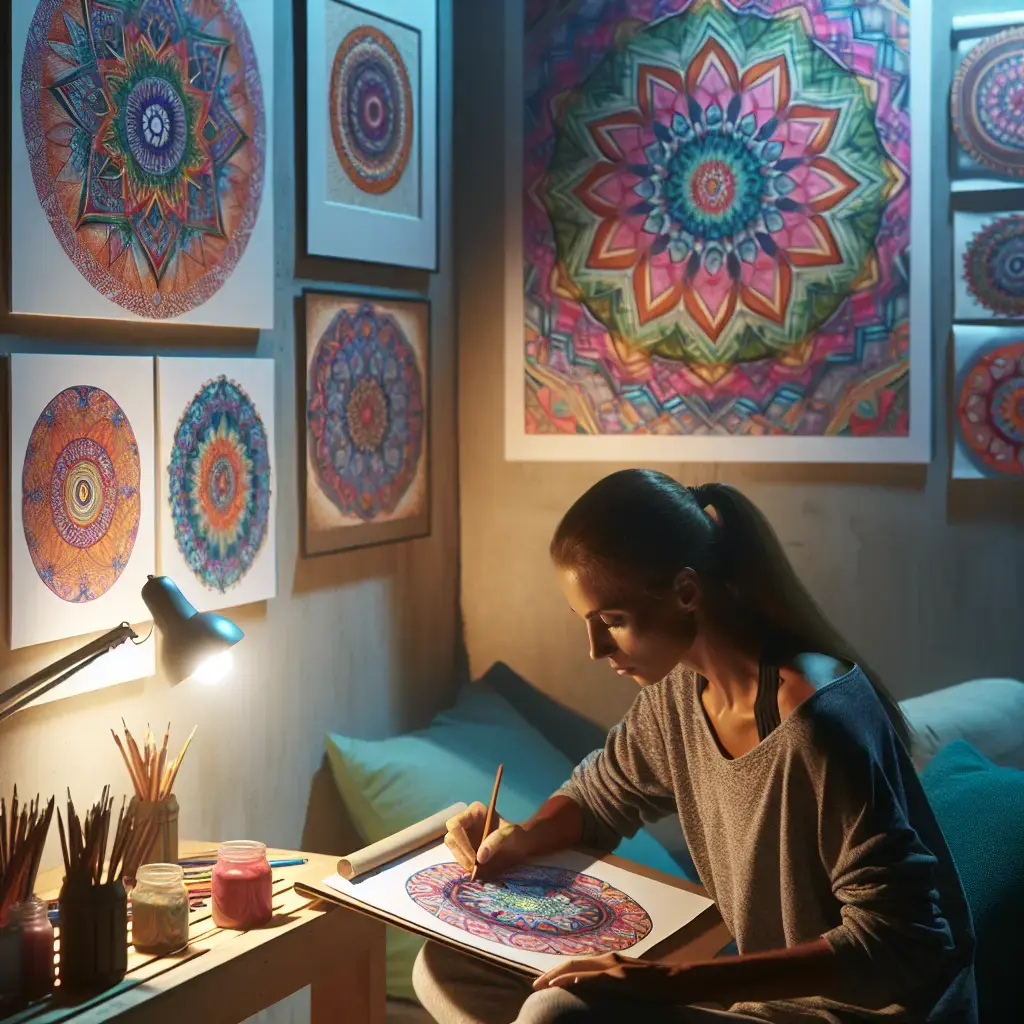
In a world where emotional turmoil is commonplace, mandala drawing emerges as a beacon of healing within art therapy. This ancient practice captivates with its intricate designs while offering a pathway to mindfulness and emotional healing. Recent developments across various fields highlight the relevance of mandala art therapy today, underscoring its significance in promoting holistic well-being.
The Symbiotic Relationship Between Art and Healing
Mandala drawing serves as more than just a creative outlet; it is a profound form of therapeutic art. The process of engaging with mandalas facilitates self-expression through art and provides a safe space for individuals to explore complex emotions non-verbally. Recent studies, such as those discussed on The Tim Ferriss Show, illustrate the importance of creative healing. In episode #760, Robert Rodriguez and Susan Cain discuss the transformative power of art as a means of self-discovery and emotional balance, echoing the benefits of mandala art therapy.
By integrating mindfulness through art, mandalas become a conduit for relaxation techniques and stress relief, encouraging introspection and mental clarity. But how exactly does this process work?
Unveiling the Mechanics of Mandala Drawing
The creation of mandalas requires focus and intention, engaging participants in a form of meditation that promotes inner peace. This aligns with recent discussions in the article "Does Time Really Heal All Wounds?" which highlights active engagement in emotional healing processes rather than passive reliance on time. Mandala coloring, with its emphasis on symmetry and pattern, helps individuals navigate their emotional landscapes, fostering mental health therapy through repetitive and mindful actions.
Case Studies: The Impact of Mandala Art Therapy
Recent architectural innovations at Anglia Ruskin University, showcased in Dezeen's School Shows, reflect the interdisciplinary application of creative practices. A project that stands out is a pavilion using digital fabrication techniques like 3D printing—an example of how modern creativity can be harnessed to enhance accessibility and community engagement. Similarly, mandala drawing can be tailored to suit diverse therapeutic needs, making it an adaptable tool for practitioners.
In professional settings, therapeutic drawing is utilized to guide clients through emotional healing. Art therapists often incorporate mandalas into their practice due to their ability to facilitate dialogue between the conscious and subconscious mind. This is especially beneficial for those who find verbal expression challenging.
Engaging the Senses for Holistic Healing
Art therapy benefits extend beyond emotional healing, touching on holistic healing by engaging multiple senses. For instance, child life specialists like Jami Egorow employ various tools to support young patients and families during medical procedures, demonstrating the importance of multi-sensory approaches in stress management. By incorporating tactile elements like mandala coloring, art therapy techniques offer an immersive experience that promotes relaxation and resilience.
Furthermore, the symbolism inherent in mandalas allows for personal interpretation and reflection, empowering individuals to derive unique meanings from their creations. This element of personalization is crucial for fostering a sense of agency and empowerment in mental health therapy.
Integrating Mandala Drawing into Daily Life
For those seeking to explore relaxation techniques outside traditional therapeutic environments, mandala drawing offers an accessible entry point. It can be practiced individually or in groups, making it versatile for personal or community use. Engaging with mandalas does not require artistic expertise; instead, it encourages the embrace of imperfection as part of the creative healing journey.
Dr. Phillip Romero, in his Warhol-inspired book discussed in recent interviews, emphasizes channeling creativity as a form of personal therapy. By following this approach, individuals can incorporate mandala drawing into their daily routines to enhance well-being and reduce stress.
Conclusion: Embracing the Art Therapy Benefits of Mandalas
As we continue to explore the healing power of mandala drawing in art therapy, it becomes clear that these intricate designs are more than mere stress relief art. They are powerful tools for emotional healing, promoting mindfulness through art and offering a sanctuary for creative expression. Whether used in professional settings or personal practice, mandalas invite us to embark on a journey toward holistic health and self-discovery.
For those interested in diving deeper into this therapeutic art form, numerous resources are available to guide you on your path. Engaging with reputable sources and communities can provide further insights into the transformative potential of mandala art therapy. By integrating this practice into our lives, we open doors to enhanced mental health and personal growth.
Incorporate mandala drawing into your routine today—embrace the harmonious interplay of symmetry and symbolism and discover the profound impact it can have on your emotional well-being.
Summary: Key Takeaways from Mandala Art Therapy
- Therapeutic Benefits: Mandalas facilitate dialogue between the conscious and subconscious, providing a safe space for exploring complex emotions without words.
- Mindfulness and Relaxation: Engaging with mandalas promotes relaxation techniques, helping individuals achieve mental clarity and stress relief.
- Adaptability and Accessibility: Whether used in professional therapeutic settings or personal practice, mandala drawing is versatile and does not require artistic expertise.
- Holistic Engagement: By involving multiple senses, mandalas support holistic healing and empower individuals through personalized symbolism.
- Everyday Integration: Mandala drawing can be easily incorporated into daily life, offering a continuous journey toward enhanced well-being and personal growth.
As you consider incorporating mandala art into your life, reflect on its potential to serve as a transformative tool for self-discovery and emotional balance. Explore resources, engage with communities, and embrace the creative healing journey.
Wishing you peace and creativity on your journey of self-discovery,
Author: Miranda Lawson